Lisbon (Portugal), 2024
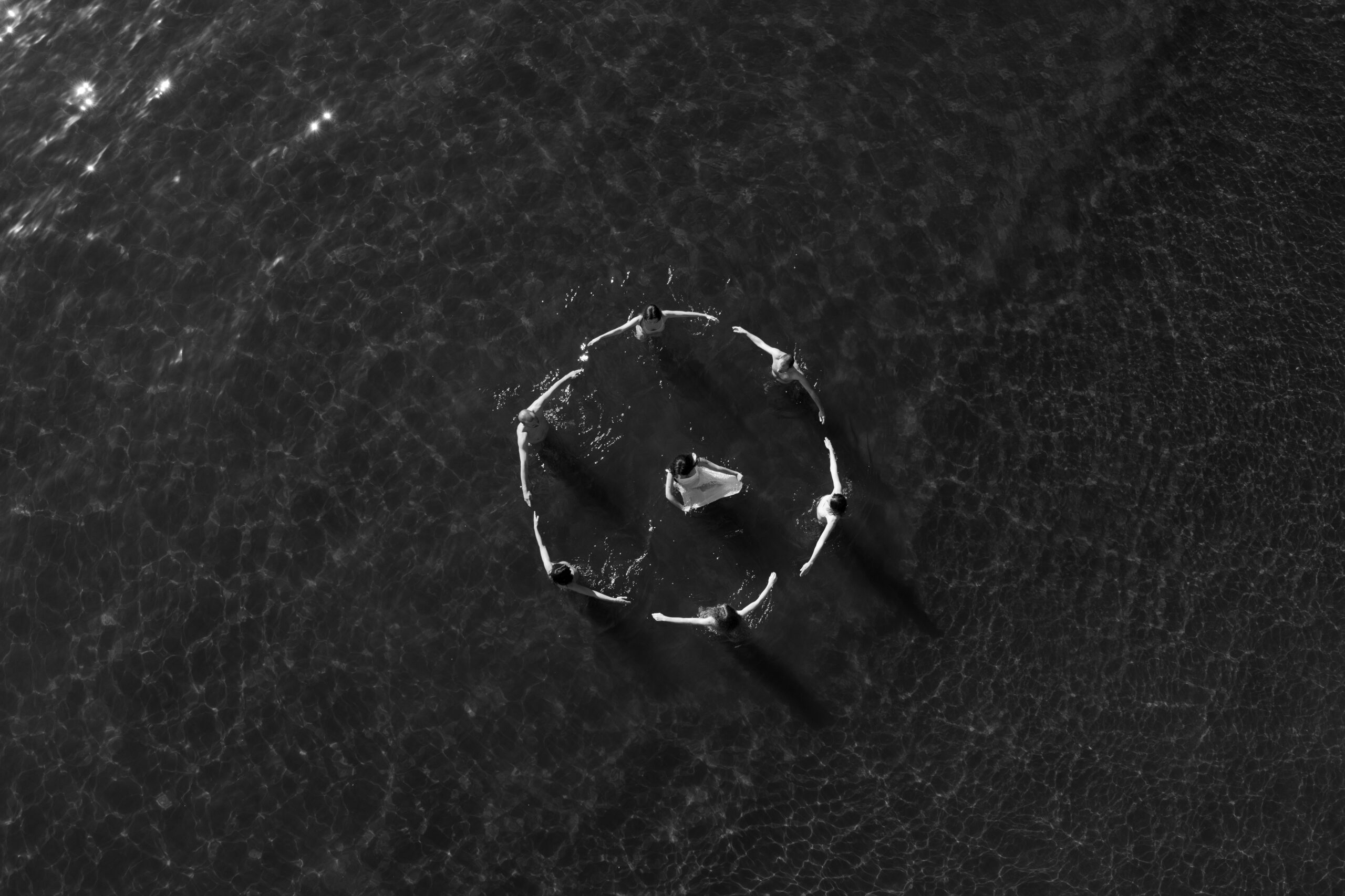
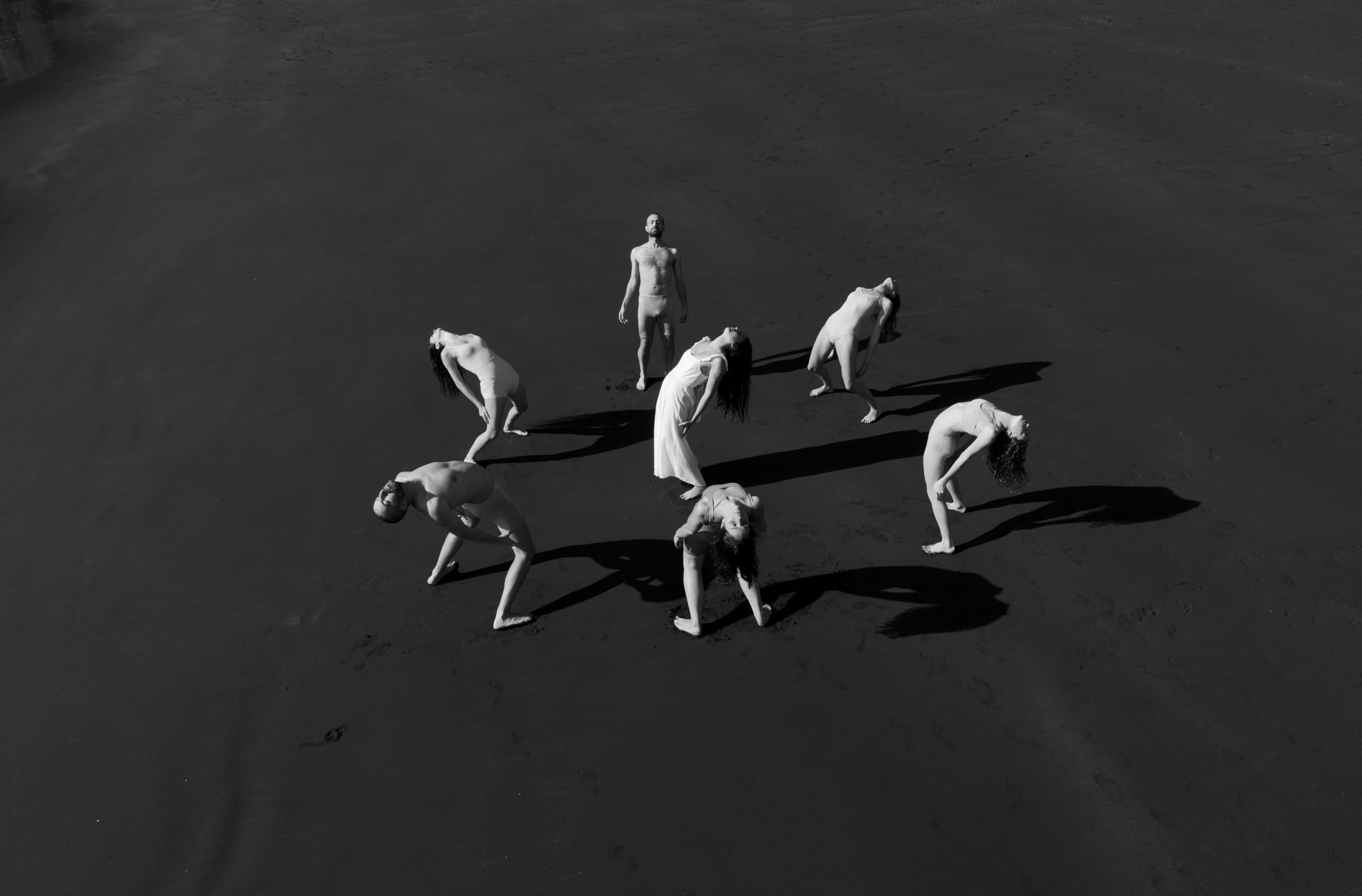
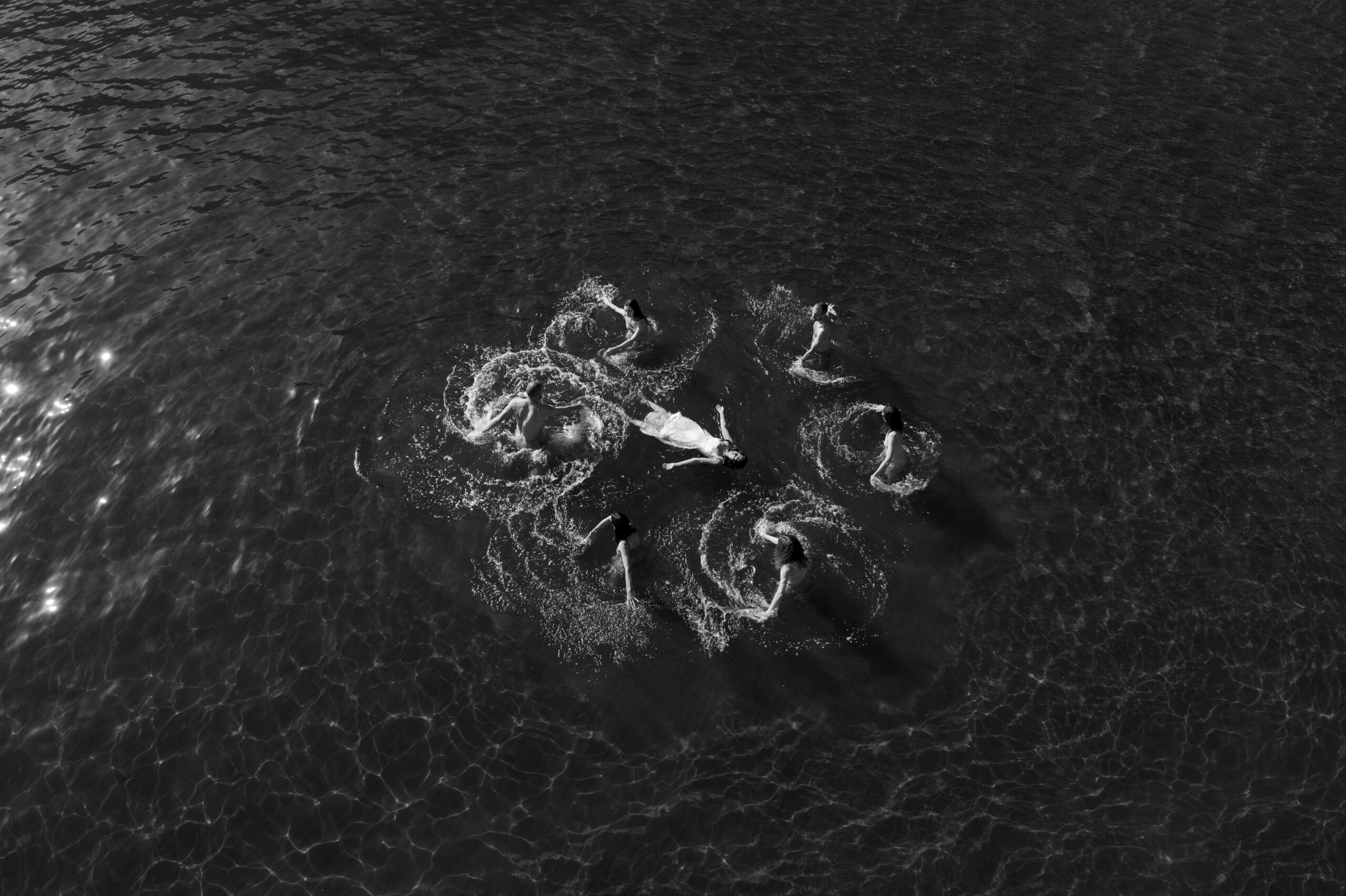
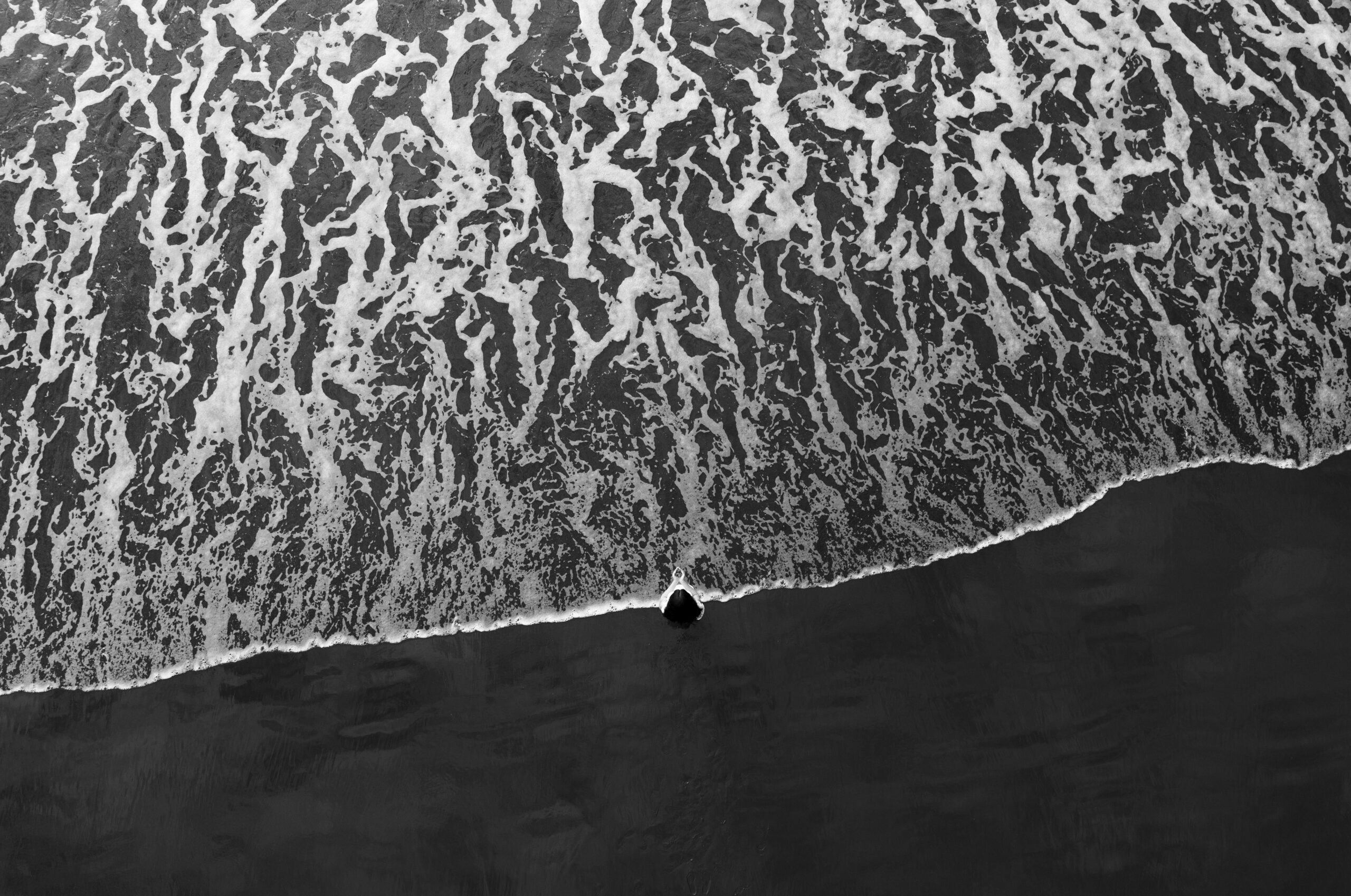
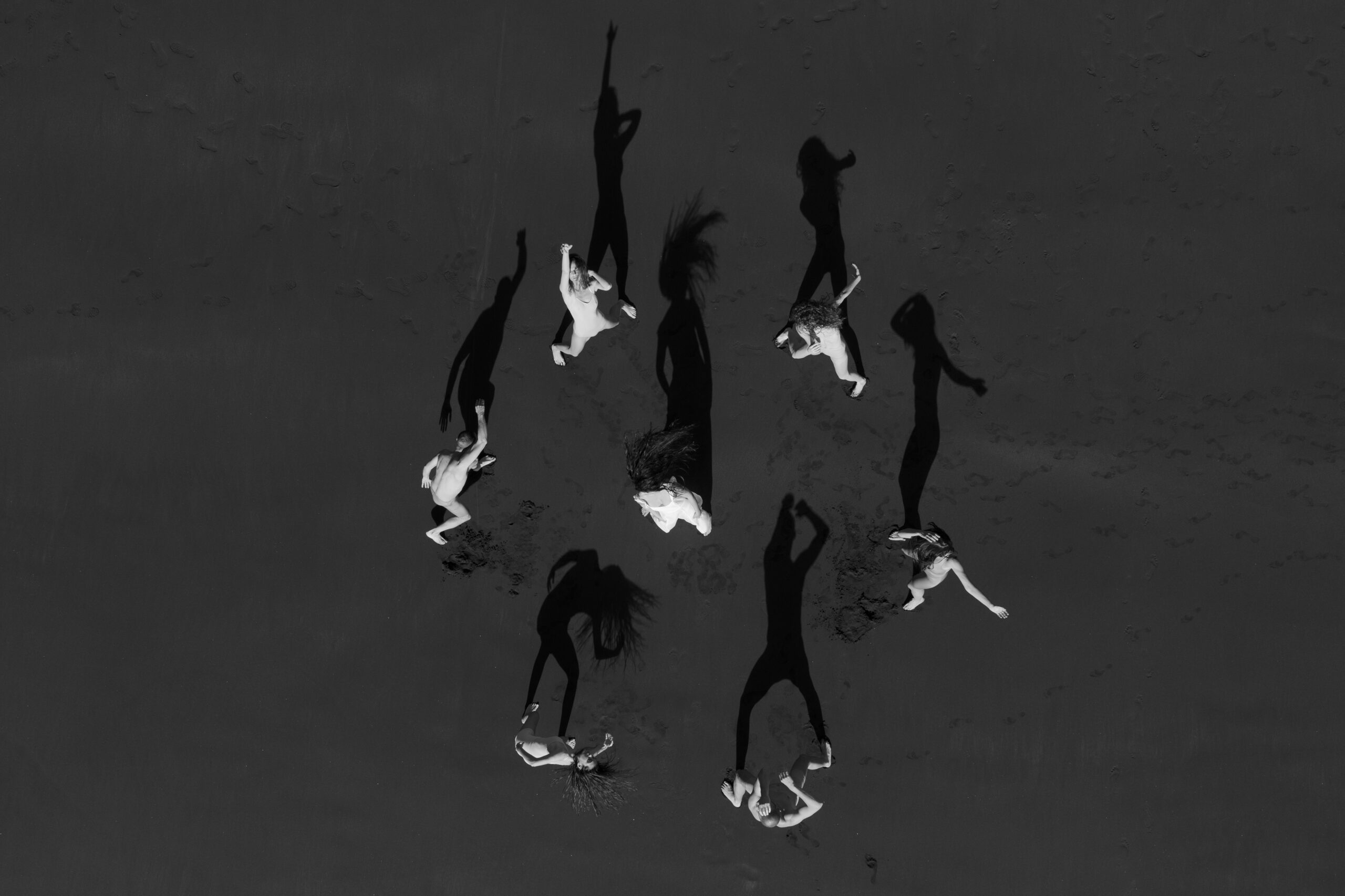
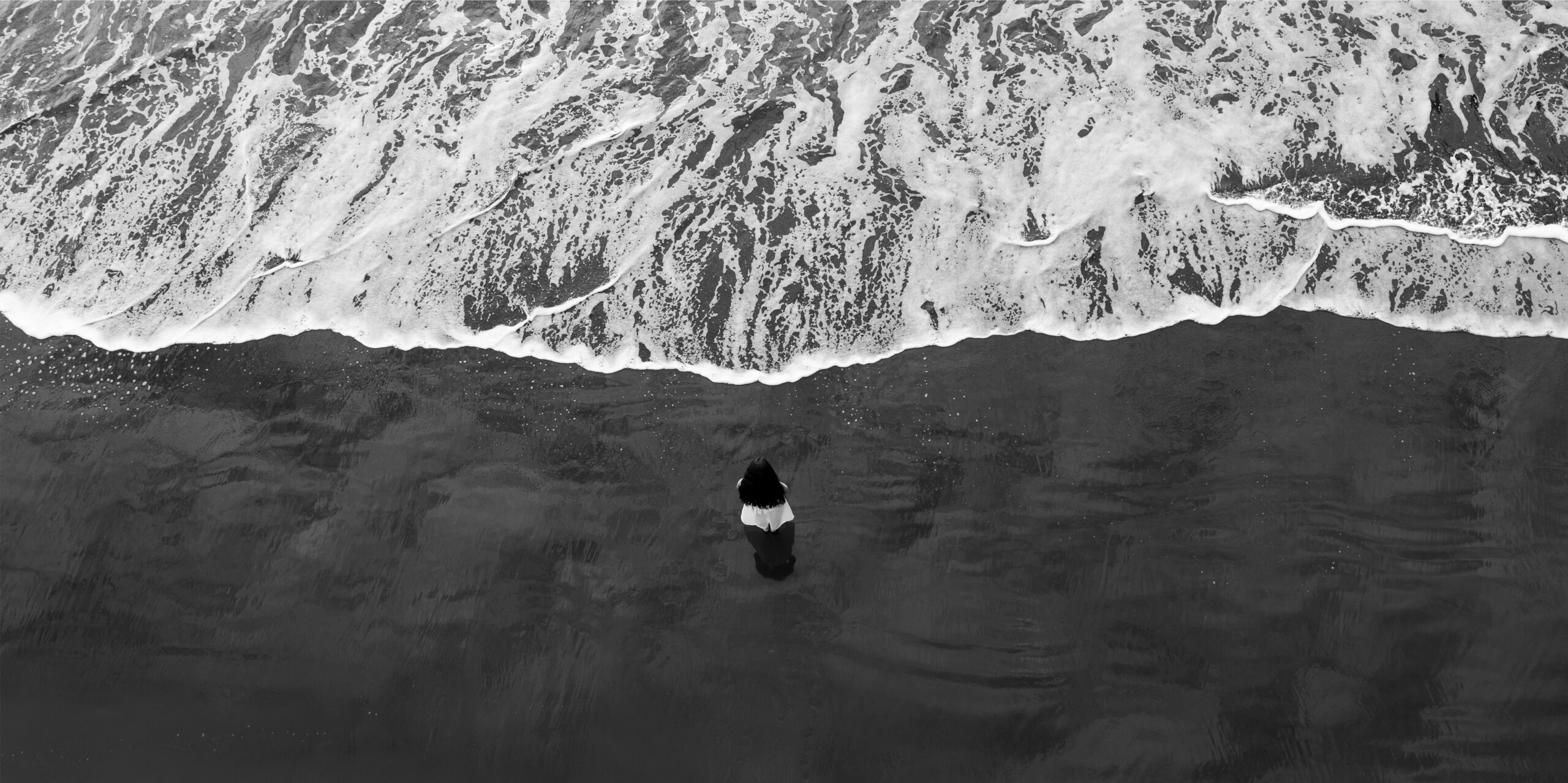
This performance series is a visual chant to the ocean as a blurred frontier between the tangible and the sacred. Captured in photo and video, Glez unfolds a black-and-white universe where the body merges with water, transmuting into an echo of ancient memories.
The work originates from a dream in which the artist envisions herself in a time before colonization, as a Taíno woman dancing between sea and land. Her movements evoke Guabancex, the goddess of storms, whose spiraling winds emerge from the meeting of cold and warm waters, creating an eye of calm amid the devastation. That sea—once a threshold of conquest—here transforms into an inverse bridge, an imagined return to the irretrievable.
The ocean is not merely a landscape or a symbol: it is passage, resistance, and dream.
The title Oyalokun interweaves the names of Oya, mistress of the winds, and Olókun, guardian of the ocean depths. Within this fusion, another presence emerges: Guabancex, the hurricane’s force that forms over the sea and touches land as an ancestral reminder. The series embodies the tension between the ephemeral and the eternal, fury and calm, identity and dissolution.
Through seven chiaroscuro compositions, Glez summons the spiritual heritage of Yoruba and Taíno cosmovisions, transforming the ocean into a mirror where desire, history, and resistance converge. Created in Madeira—the island from which the conquest began—the work resigns this space as an imaginary point of return, a geography where memory is rewritten.
Figures emerge and submerge in an aquatic rite where water, an ancestral skin, envelops and transforms them. Light carves their contours like embodied mythologies, reminding us that the ocean is both genesis and horizon, open wound and threshold of rebirth. On its surface, the echo of ancestors resounds; in its depths, the call of the unknown.
Oyalokun is not only an homage to feminine strength and its water connection but also an act of reimagination and resistance. In a world that forgets its dependence on the ocean, Glez invites us to submerge ourselves in its liquid memory, to recognize in its tides the persistence of a dream that, though unattainable, continues to pulse within the currents of time.
María Pérez Marín